Nursing diagnosis for Gastritis : Ineffective Management of Therapeutic Regimen
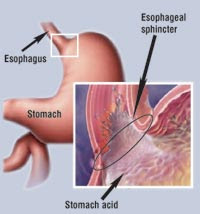
Gastritis is an inflammation of the gastric mucosa is happening area, which is caused by germs, which can occur in acute and chronic.
Food / drinks that can damage the gastric mucosa, consuming alcohol, using drugs. Bacterial infections especially sreptococcus, stapylococcus, as well as chemicals and beverages which are corrosive like concentrated acid. Food and beverages that are too acidic, spicy, hot, fatty, can also cause gastritis. Too much thinking or stress can increase stomach acid.
Clinical manifestations
a. Acute gastritis.
Epigastric pain that may plus nausea. Pain can arise again when the stomach is empty. When pain, sweating, restlessness, abdominal pain and may be accompanied by an increase in body temperature, takicardia, cyanosis, such as a burning feeling in the epigastric, seizures and weakness.
b. Chronic gastritis.
signs and symptoms of acute gastritis is almost the same as, only accompanied by weight loss, chest pain, anemia pain, such as peptic ulcer, high serum gastrin levels.
Nursing Diagnosis for Gastritis : Risk for Ineffective Management of Therapeutic Regimen related to lack of knowledge about the disease process, contra indications, signs and symptoms, complications, and treatment programs.
Interventions :
1. Describe the pathophysiology of gastritis, using appropriate terminology and media to the level of knowledge of the client and family.
2. Describe the behavior that can be changed or eliminated to reduce the risk of recurrence :
3. Discuss about further treatment even when there are no symptoms.
4. Instruct client and family to notice and report these symptoms :
Gastritis is an inflammation of the gastric mucosa is happening area, which is caused by germs, which can occur in acute and chronic.
Food / drinks that can damage the gastric mucosa, consuming alcohol, using drugs. Bacterial infections especially sreptococcus, stapylococcus, as well as chemicals and beverages which are corrosive like concentrated acid. Food and beverages that are too acidic, spicy, hot, fatty, can also cause gastritis. Too much thinking or stress can increase stomach acid.
Clinical manifestations
a. Acute gastritis.
Epigastric pain that may plus nausea. Pain can arise again when the stomach is empty. When pain, sweating, restlessness, abdominal pain and may be accompanied by an increase in body temperature, takicardia, cyanosis, such as a burning feeling in the epigastric, seizures and weakness.
b. Chronic gastritis.
signs and symptoms of acute gastritis is almost the same as, only accompanied by weight loss, chest pain, anemia pain, such as peptic ulcer, high serum gastrin levels.
Nursing Diagnosis for Gastritis : Risk for Ineffective Management of Therapeutic Regimen related to lack of knowledge about the disease process, contra indications, signs and symptoms, complications, and treatment programs.
Interventions :
1. Describe the pathophysiology of gastritis, using appropriate terminology and media to the level of knowledge of the client and family.
2. Describe the behavior that can be changed or eliminated to reduce the risk of recurrence :
- tobacco use,
- excessive alcohol input,
- foods and beverages that contain caffeine,
- large number of products containing milk.
3. Discuss about further treatment even when there are no symptoms.
4. Instruct client and family to notice and report these symptoms :
- stool red / black
- bloody vomit / black
- epigastric pain settled
- severe abdominal pain and a sudden
- constipation
- nausea and vomiting settled
- weight loss is not clear why